Cigar Box Guitars

The Roots of Homemade Guitars
In the late 1800s, when factory-made instruments were out of reach for most people, especially in the rural South, musicians simply built what they needed from whatever was lying around. Empty cigar boxes were everywhere once cigars started being sold in small wooden boxes instead of large crates, and it didn’t take long for people to realize those boxes rang like little sound chambers.
Most early builders were poor farmers, field hands, and day laborers who couldn’t afford a “real” guitar. They’d salvage old cigar boxes that had been tossed aside, cut a stick from scrap lumber or an old broom handle, and bolt or nail it straight through the box to make a neck.
Frets might be nothing more than small finish nails driven into the wood. For hardware, they used whatever metal they could find: bolts, sockets, bits of pipe, even the tops of moonshine bottles to hold the strings up and create tension at the bridge and nut.
Civil War Blues
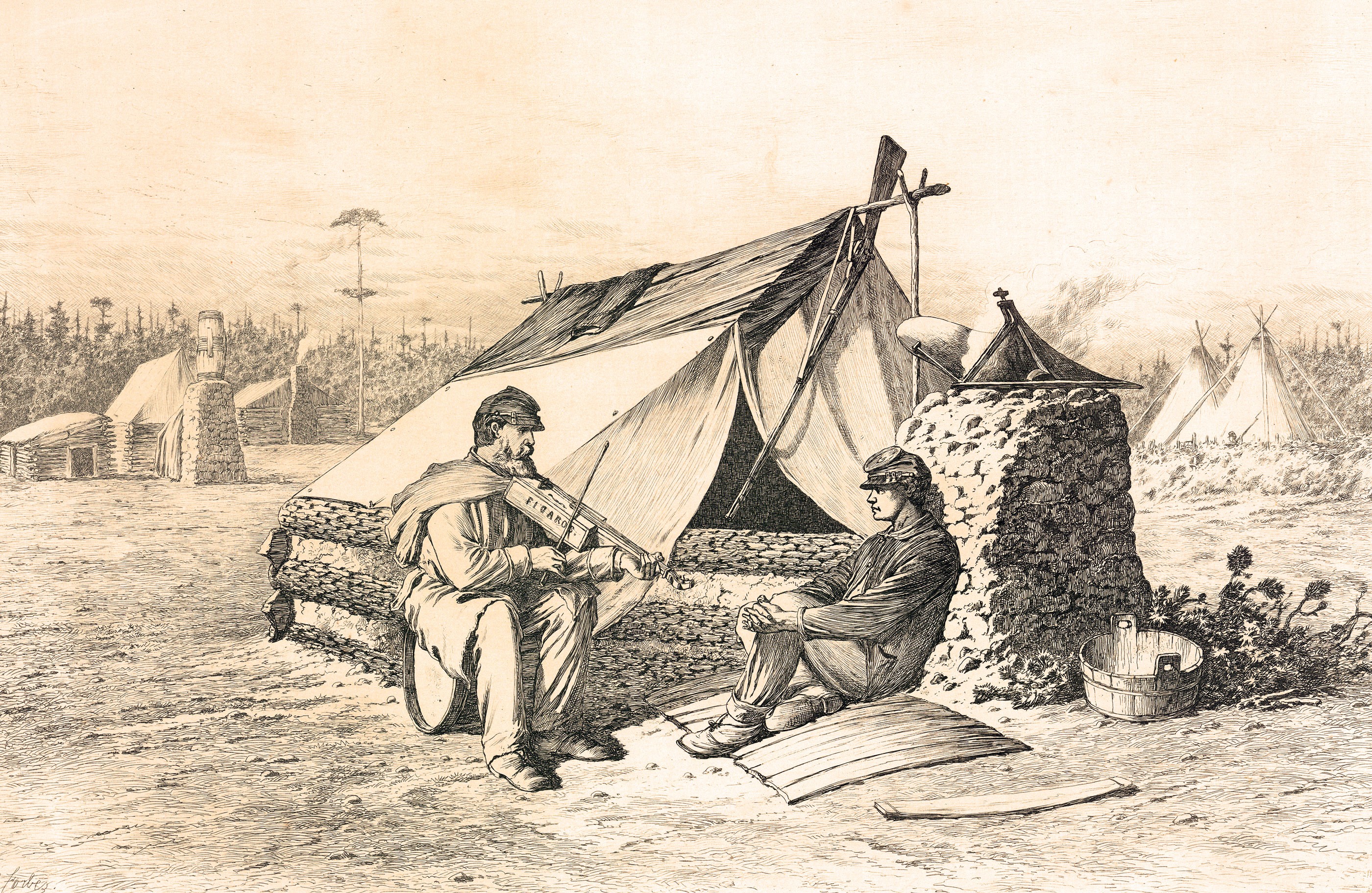
The earliest cigar-box instruments we can point to show up in the mid-19th century. There’s an 1876 etching of two Civil War soldiers at a winter campfire—one of them clearly playing a fiddle built from a Figaro cigar box with a long neck grafted on.
A few years later, Daniel Carter Beard (who would go on to help found the Boy Scouts of America) published step-by-step plans for a cigar-box banjo in a popular youth magazine.
Those instructions were later reprinted in his American Boy’s Handy Book, teaching kids how to build a playable five-string banjo from a cigar box, broomstick, and simple hand tools.
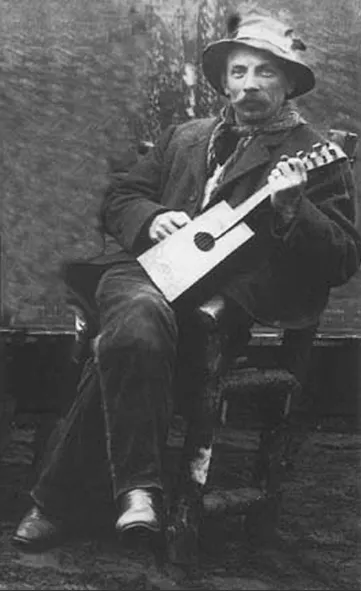
Early Photo
Not every “poor man’s guitar” was built from a cigar box. In many parts of the South, people stretched a single wire along a fence post or right on the side of a shack, wedged a bottle or stick under it for tension, and played it with a slide—this was the one-string “diddley bow.” It was usually made from broom wire, glass bottles, nails, and whatever scrap board was handy, and it became a training ground for generations of blues players before they ever touched a store-bought guitar.
Other homemade instruments grew up alongside the cigar box guitar: tea-chest or washtub basses made from a wooden crate or metal tub, a broom handle, and a length of cord or wire; washboards scraped with thimbles; jugs blown like low horns.
Together with cigar box guitars and fiddles, these instruments gave poor Black and working-class musicians a full rhythm section for front-porch parties and early jug bands, long before the blues went into proper recording studios.
Wait Until You Hear Them!
These guitars don’t sound like something that just came off a factory line—and that’s the point.
Wait Until You Hear Them!
These guitars don’t sound like something that just came off a factory line—and that’s the point.
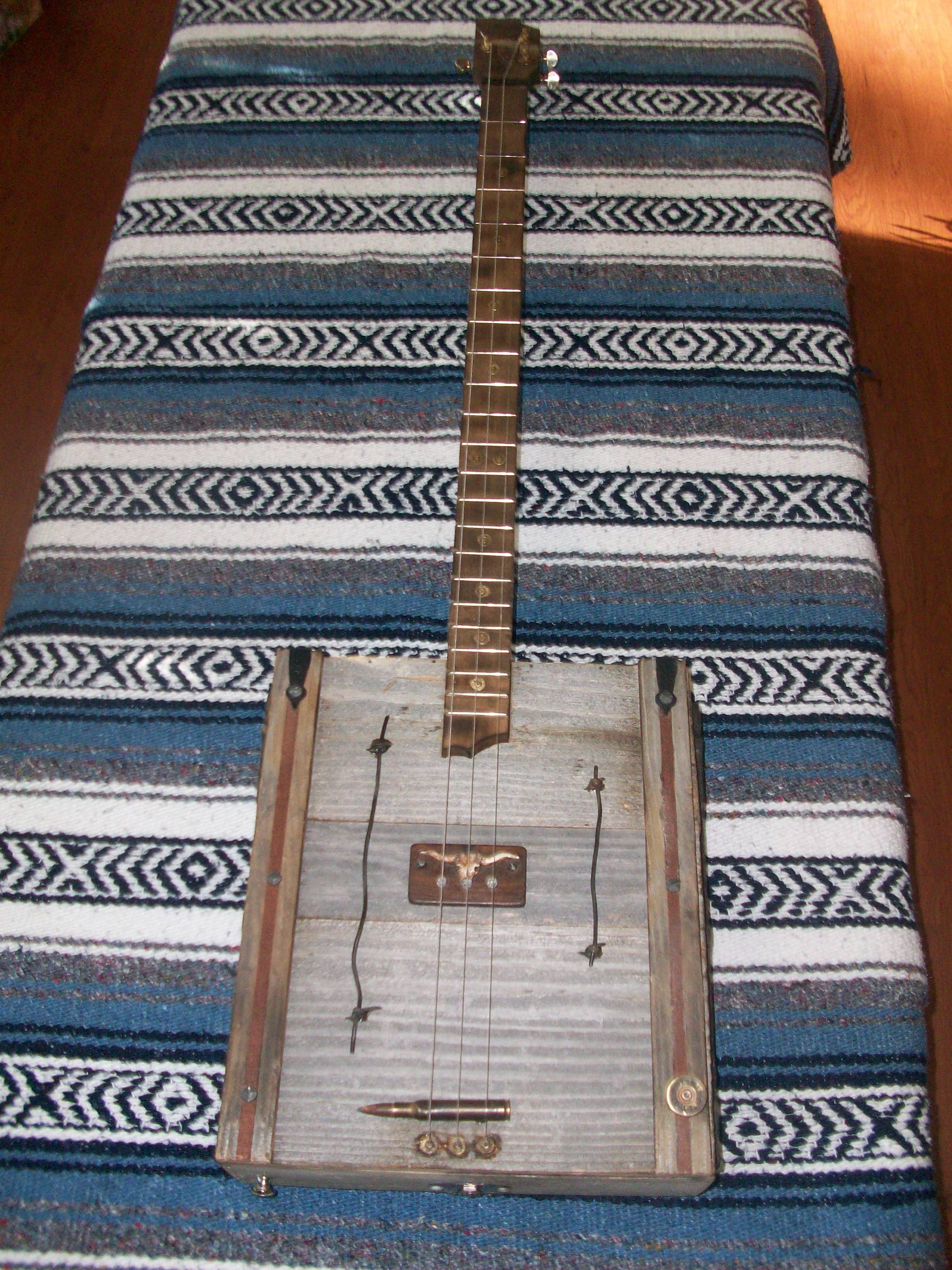
✦ Previous Builds
Custom Box Guitars

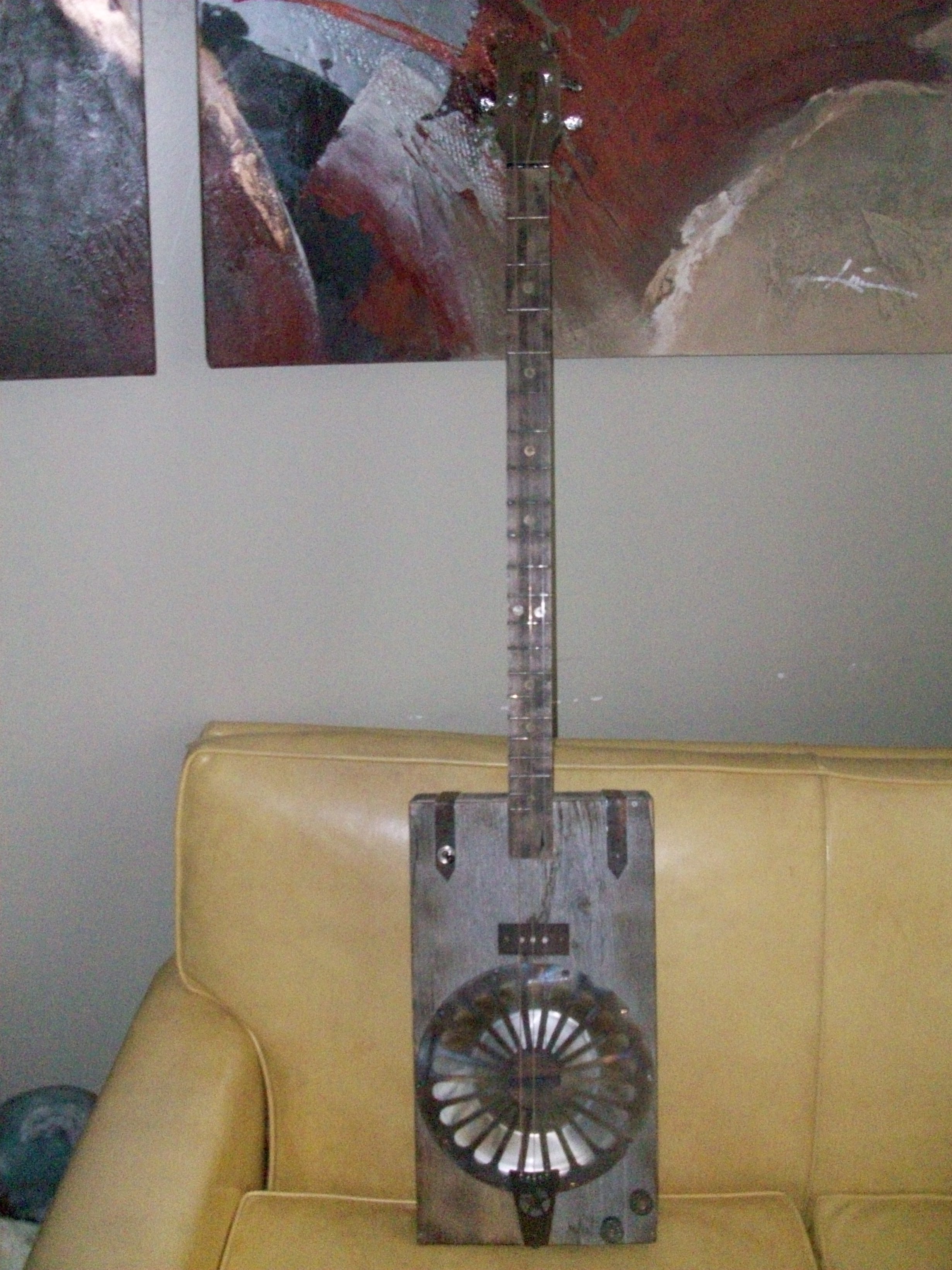

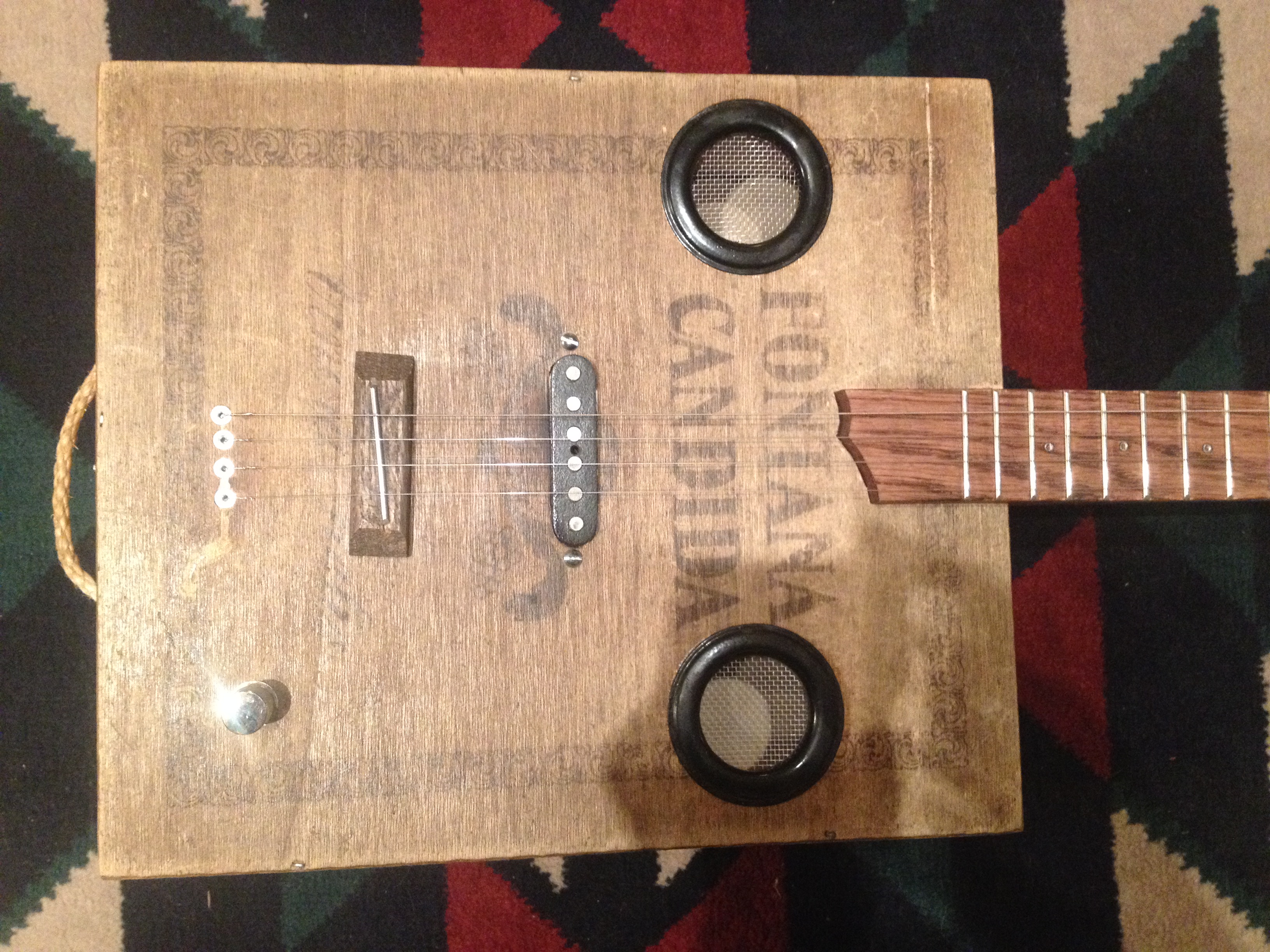
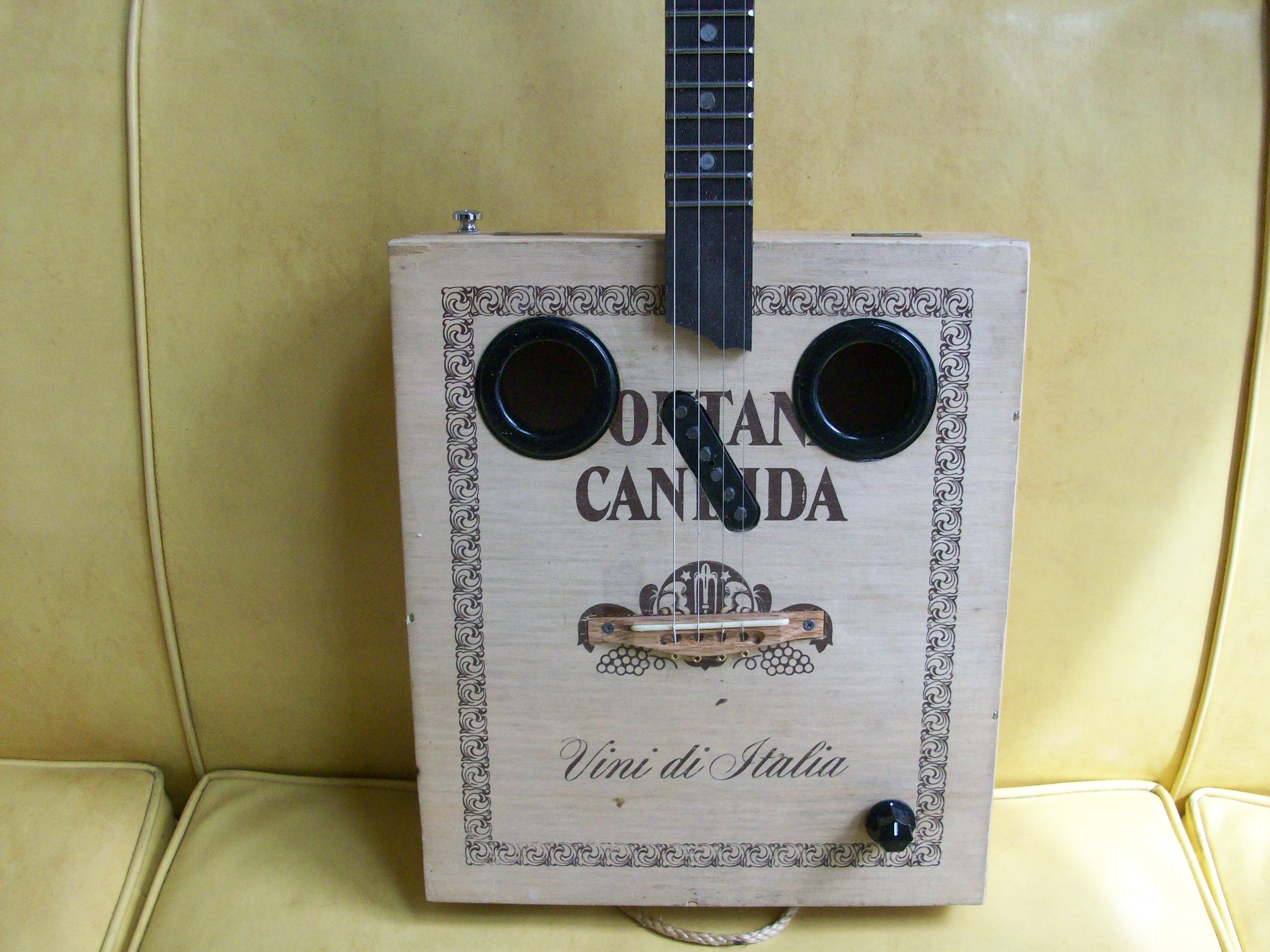
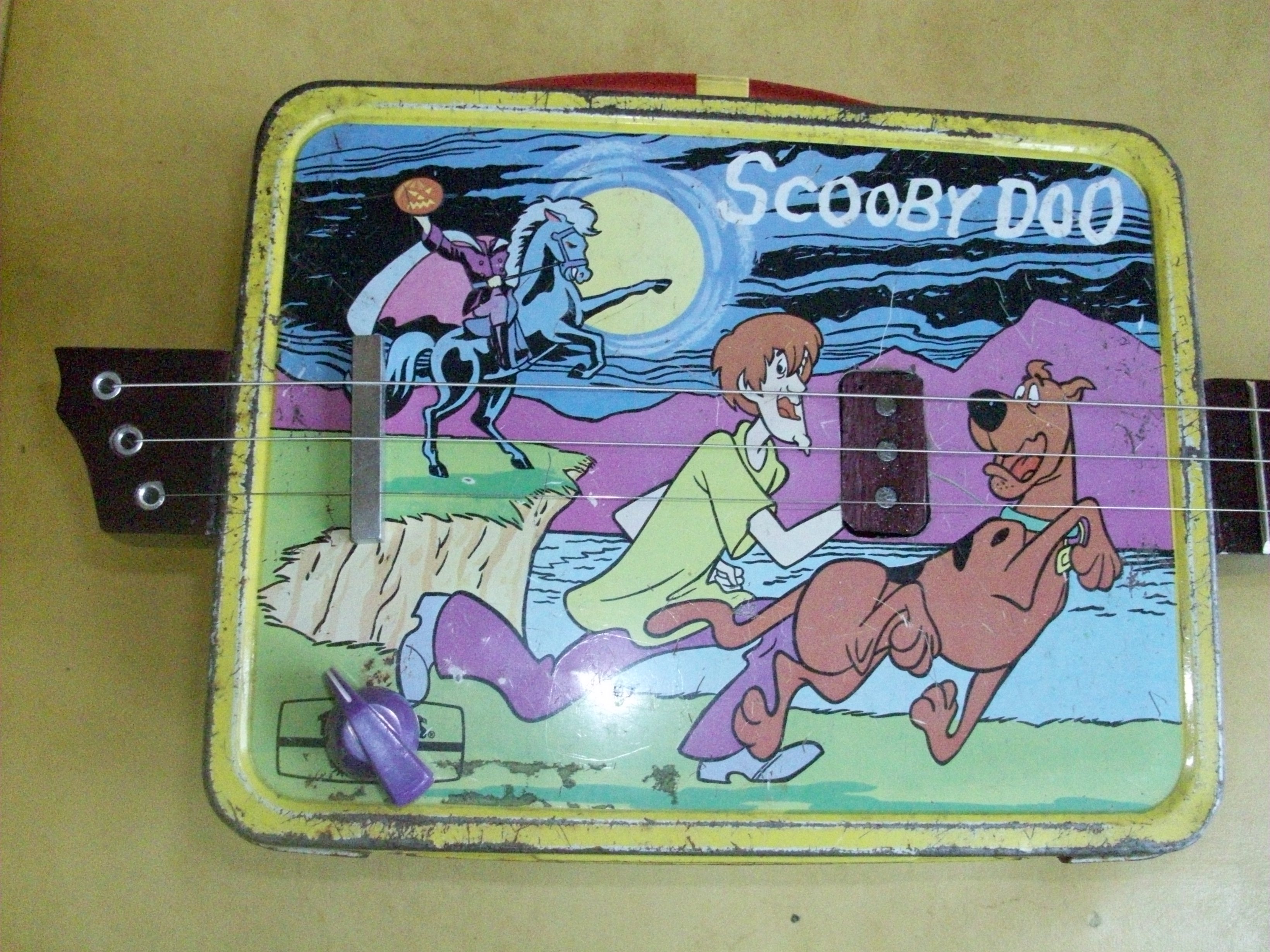
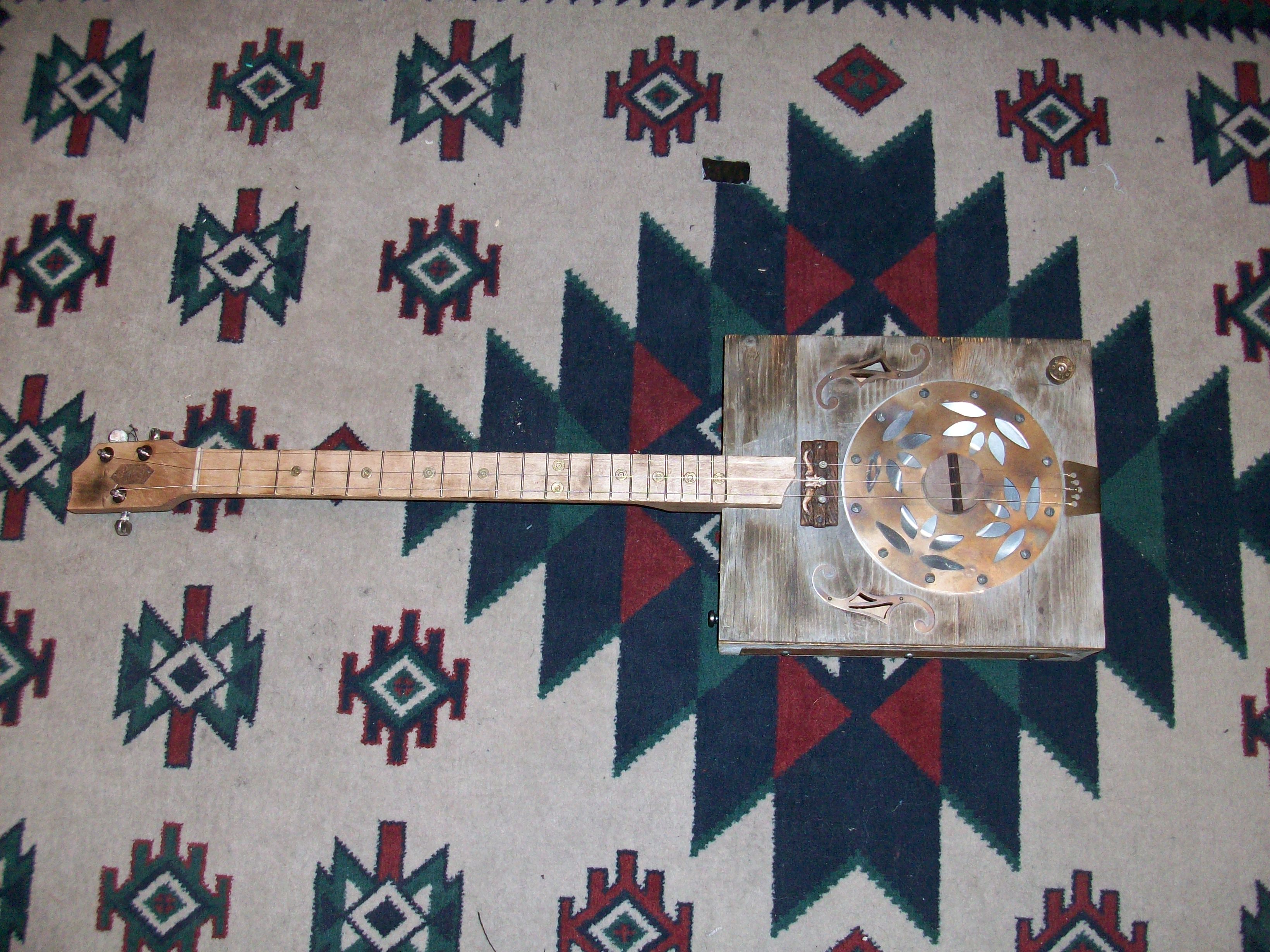
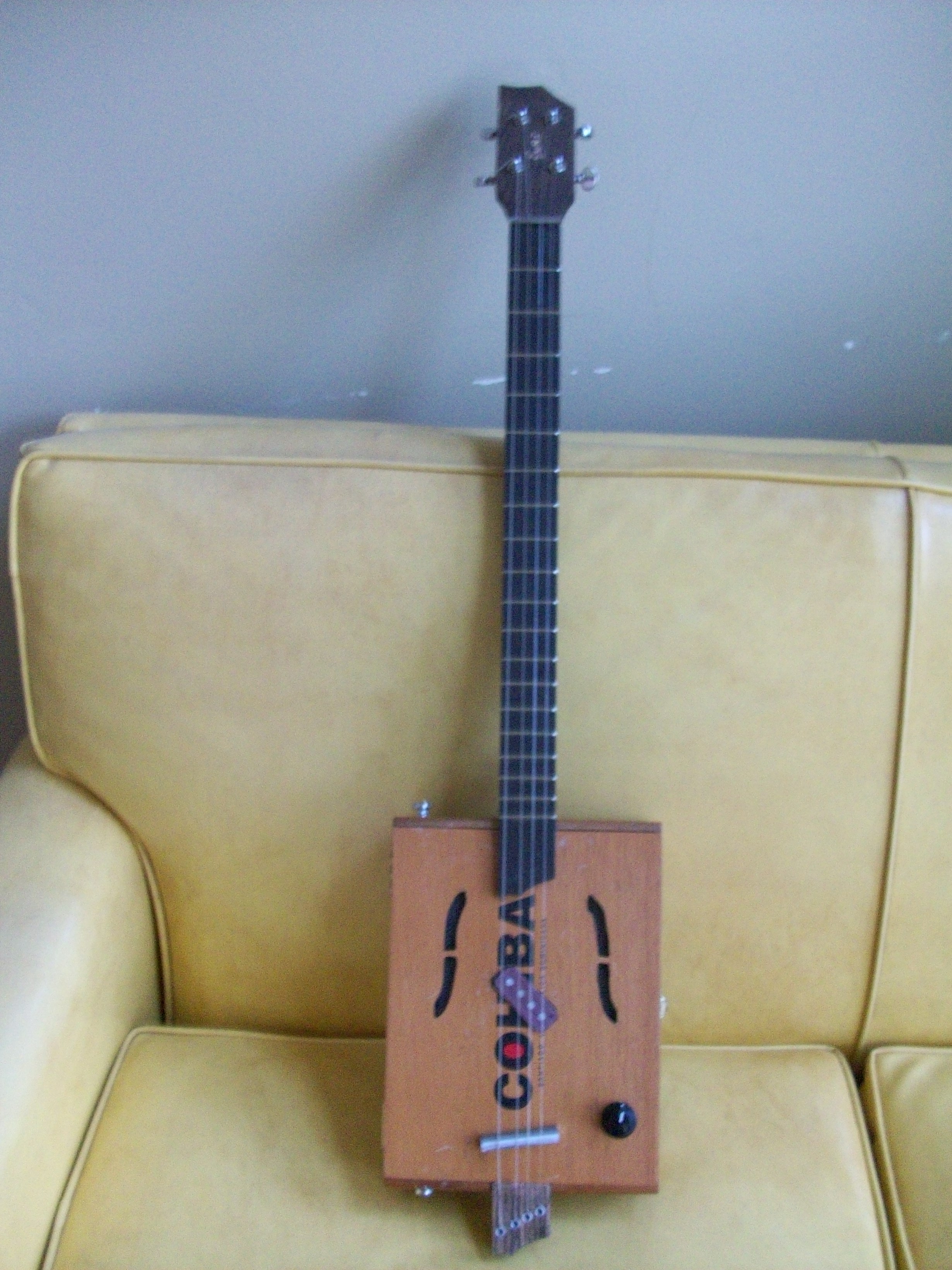
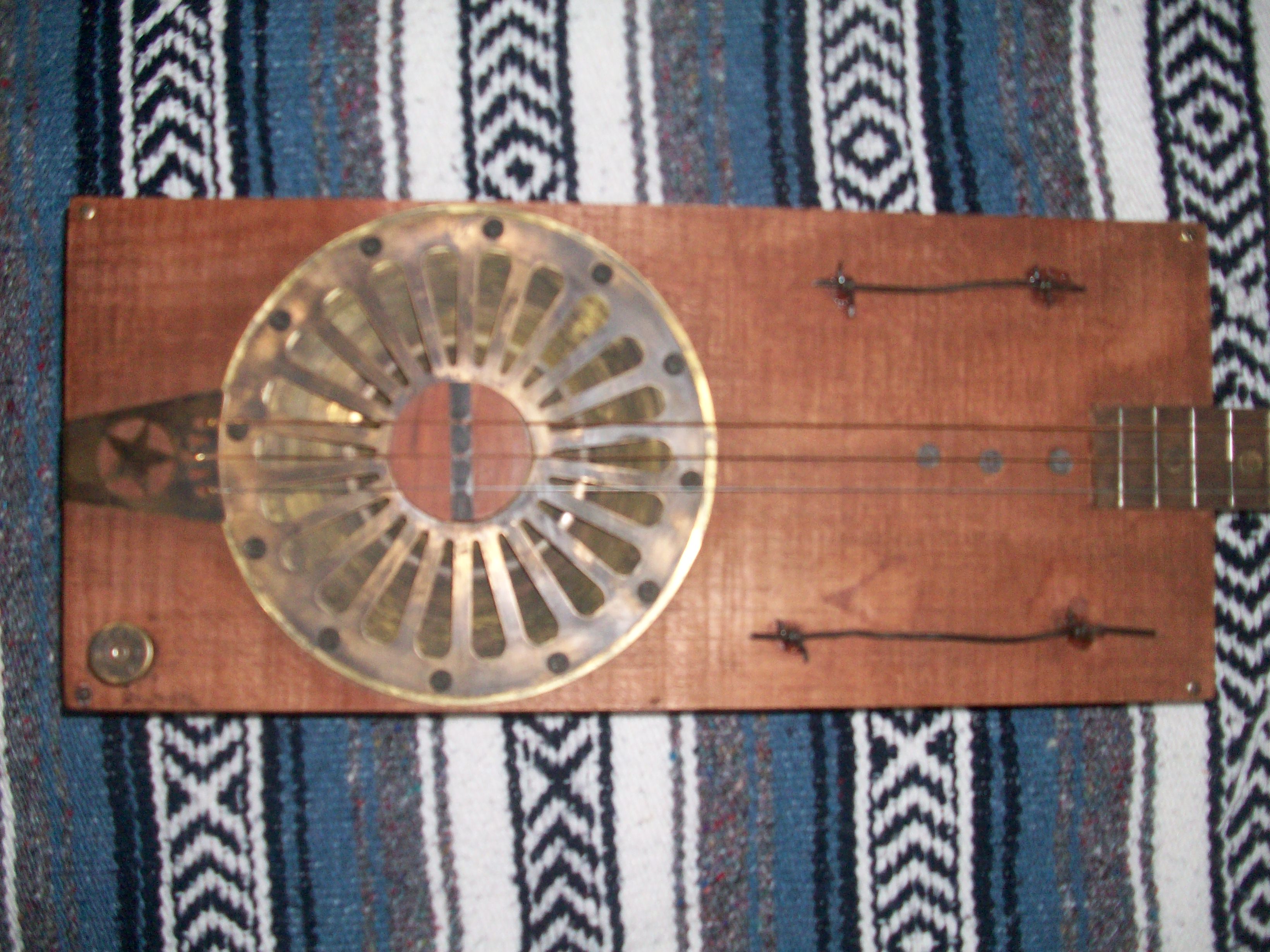
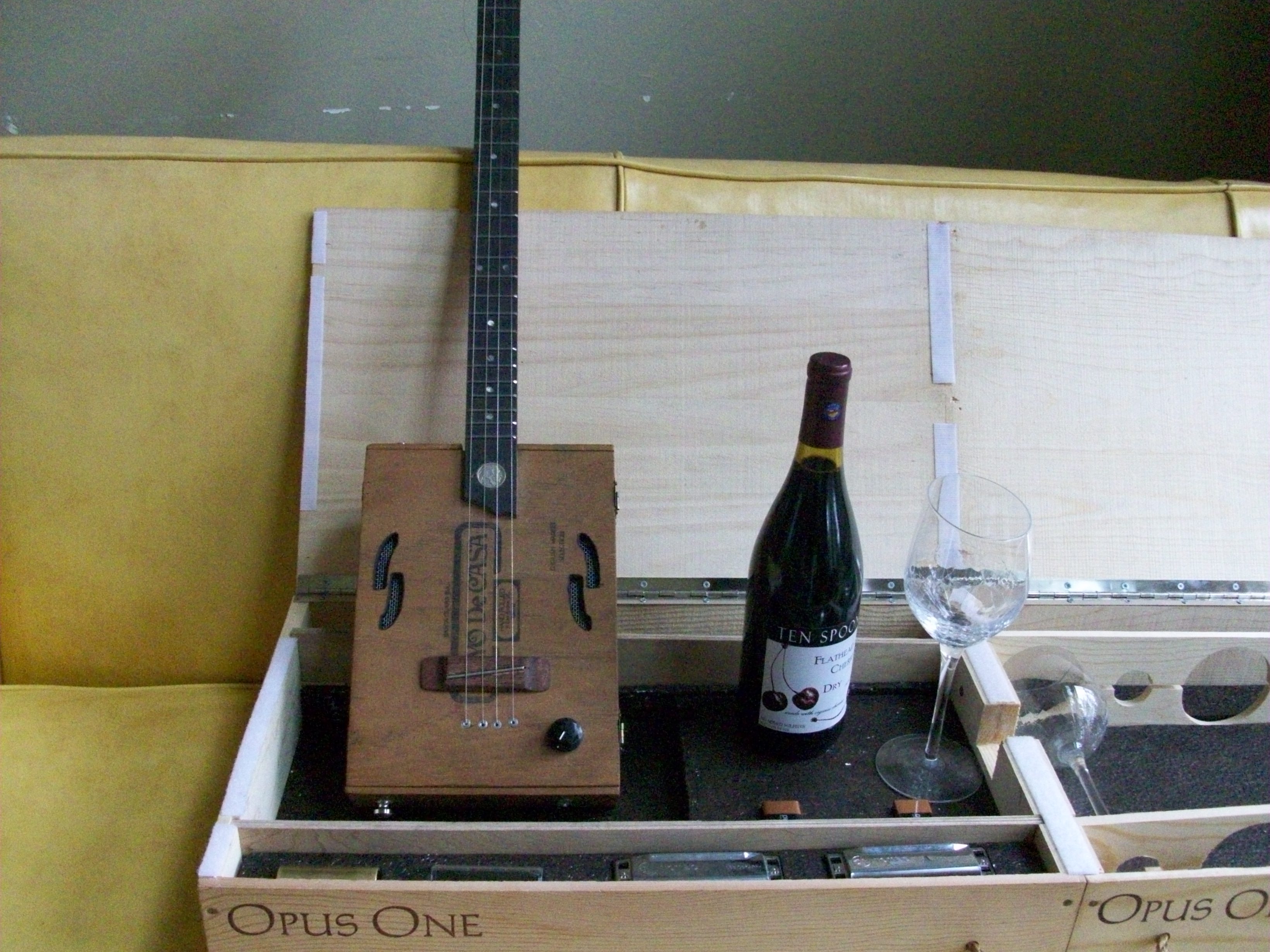
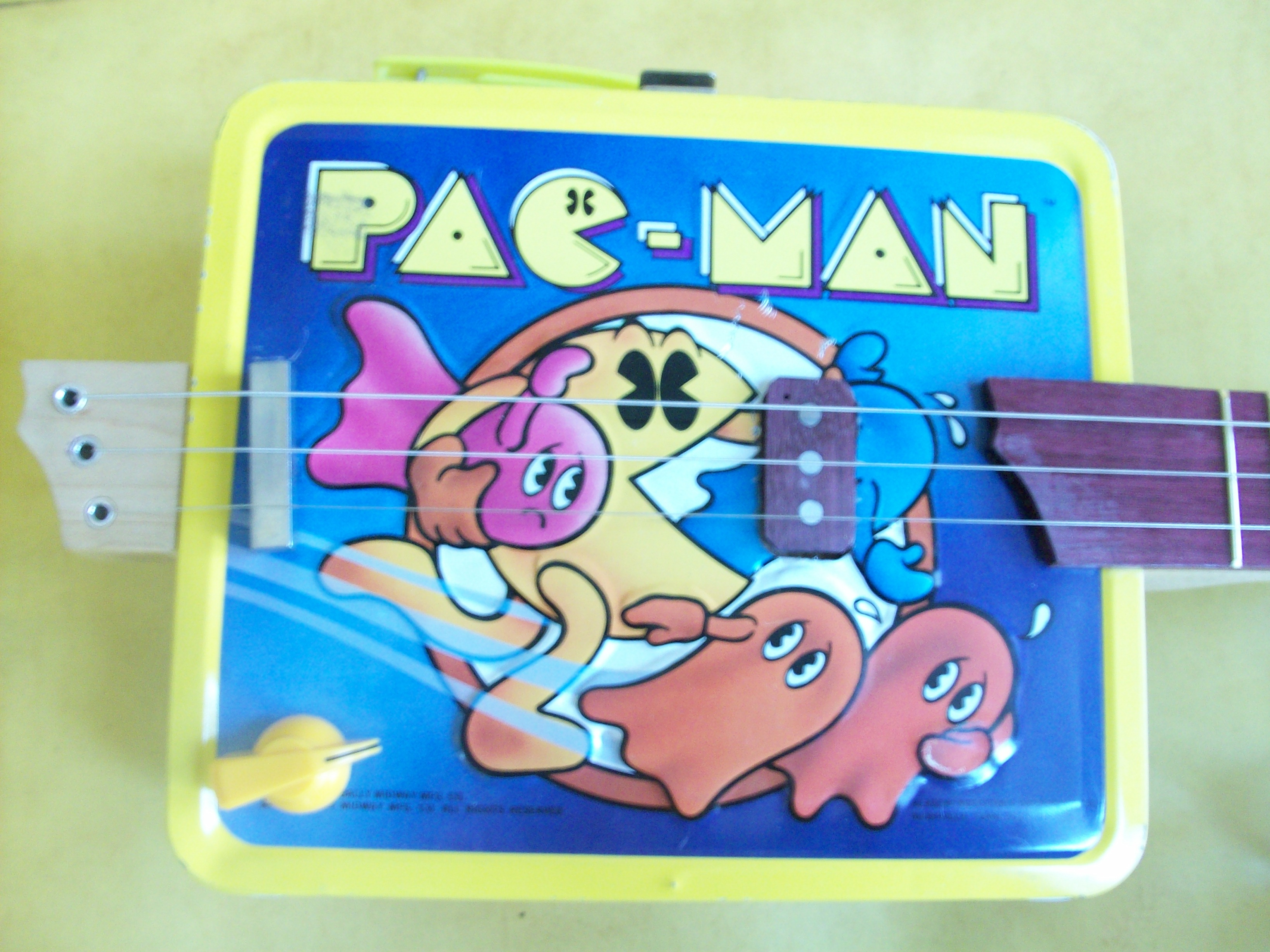
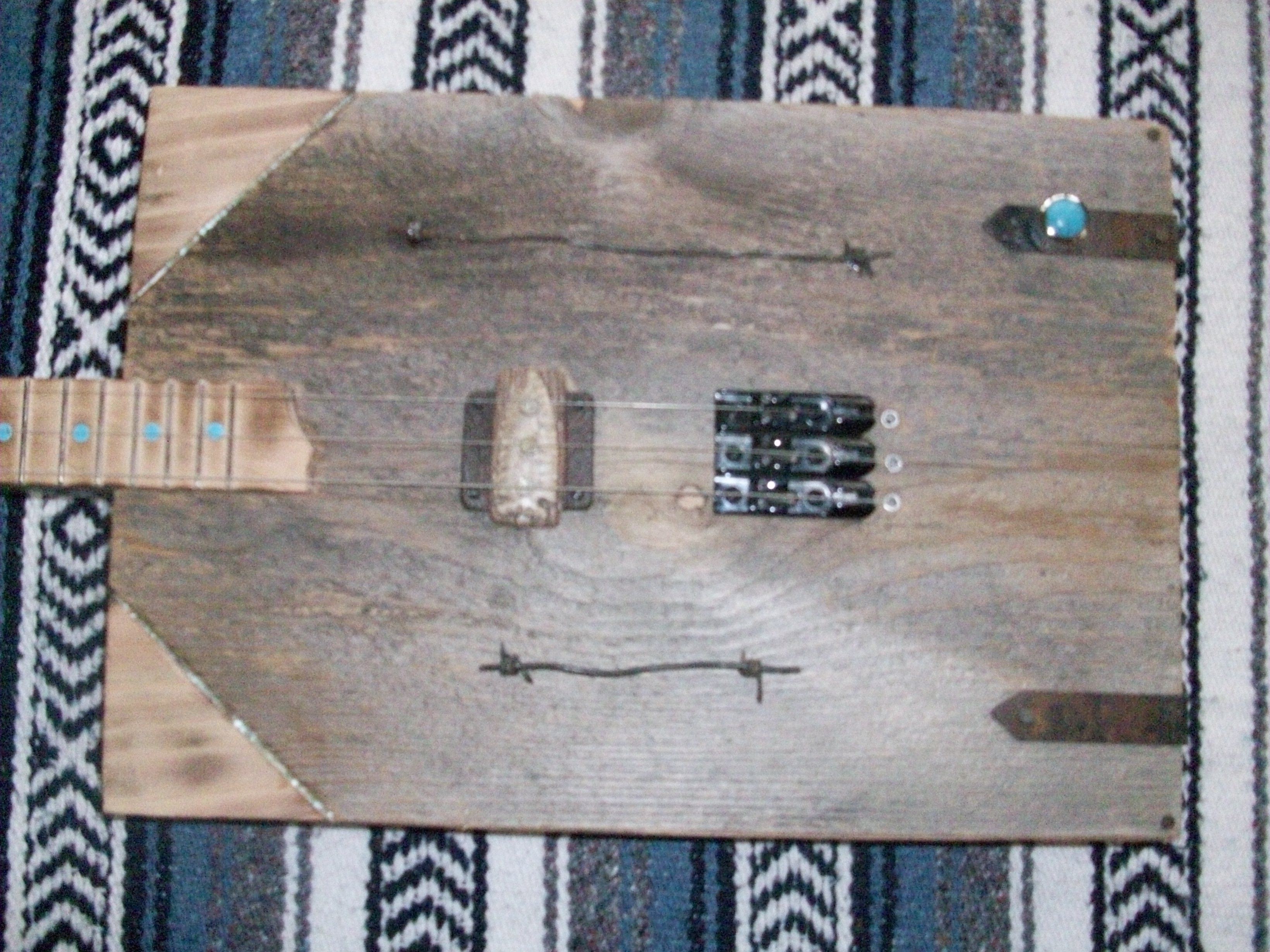

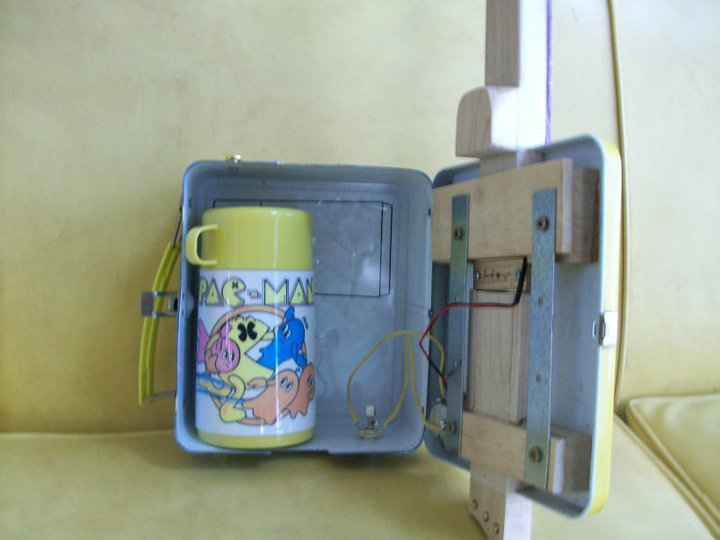
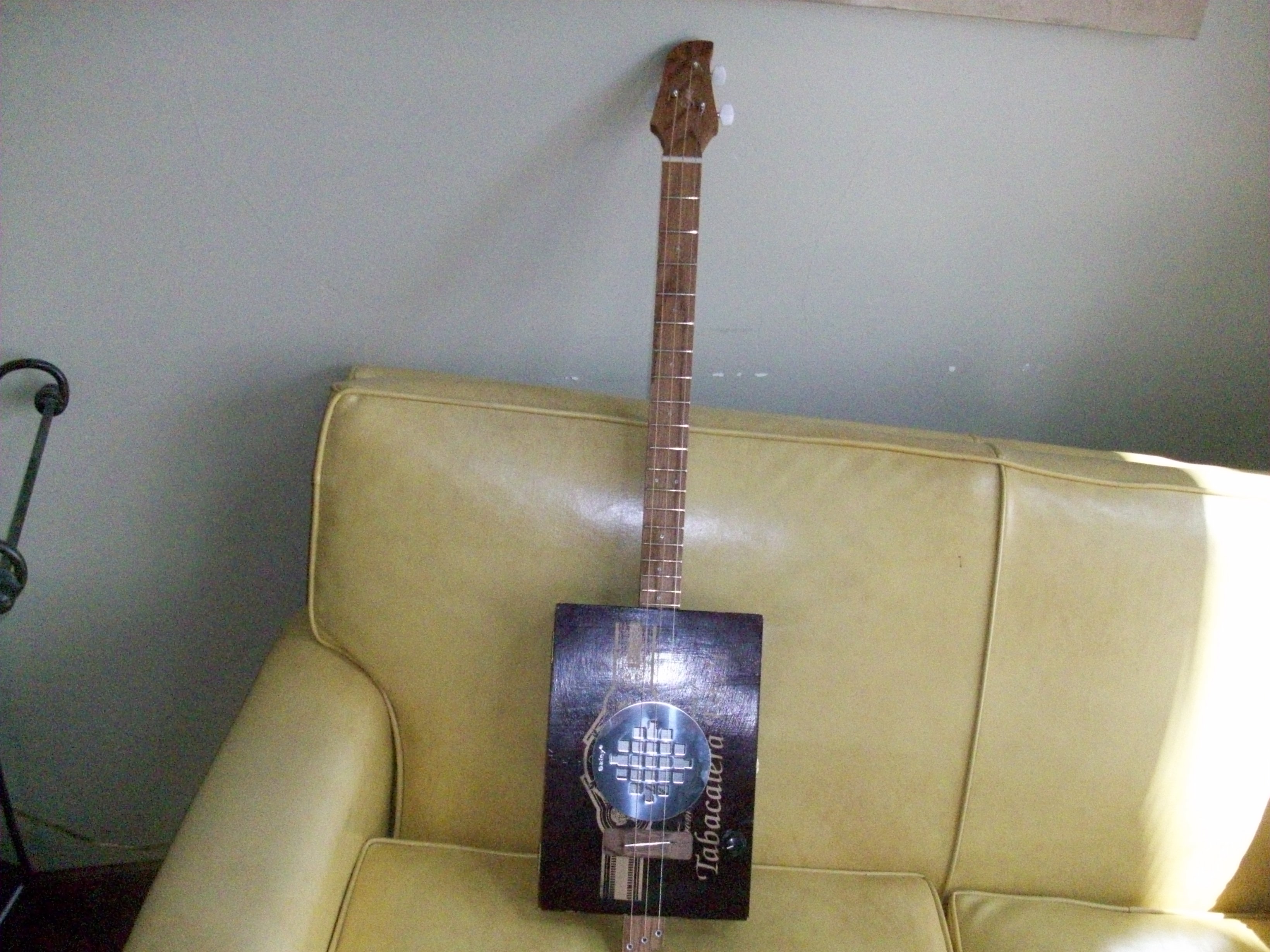
✦ Previous Builds
Custom Box Guitars

Ready to Build Your Guitar?


© Copyright 2026. Mission Valley Woodworking. All rights reserved.